Seasonal Tree Care: Pro Advice for Keeping Your Trees Healthy Year-Round Jul 06, 2026
Spring marks the start of the growing season, making it an ideal time for inspection and preparation. Begin by assessing the damage winter may have wrought. Look for broken branches and signs of disease. Pruning in early spring is crucial as it helps remove any damaged branches and encourages healthy new growth. During pruning, focus on removing dead or crossing branches to enhance air circulation and sunlight penetration. Make sure to avoid over-pruning, as this can stress the tree.
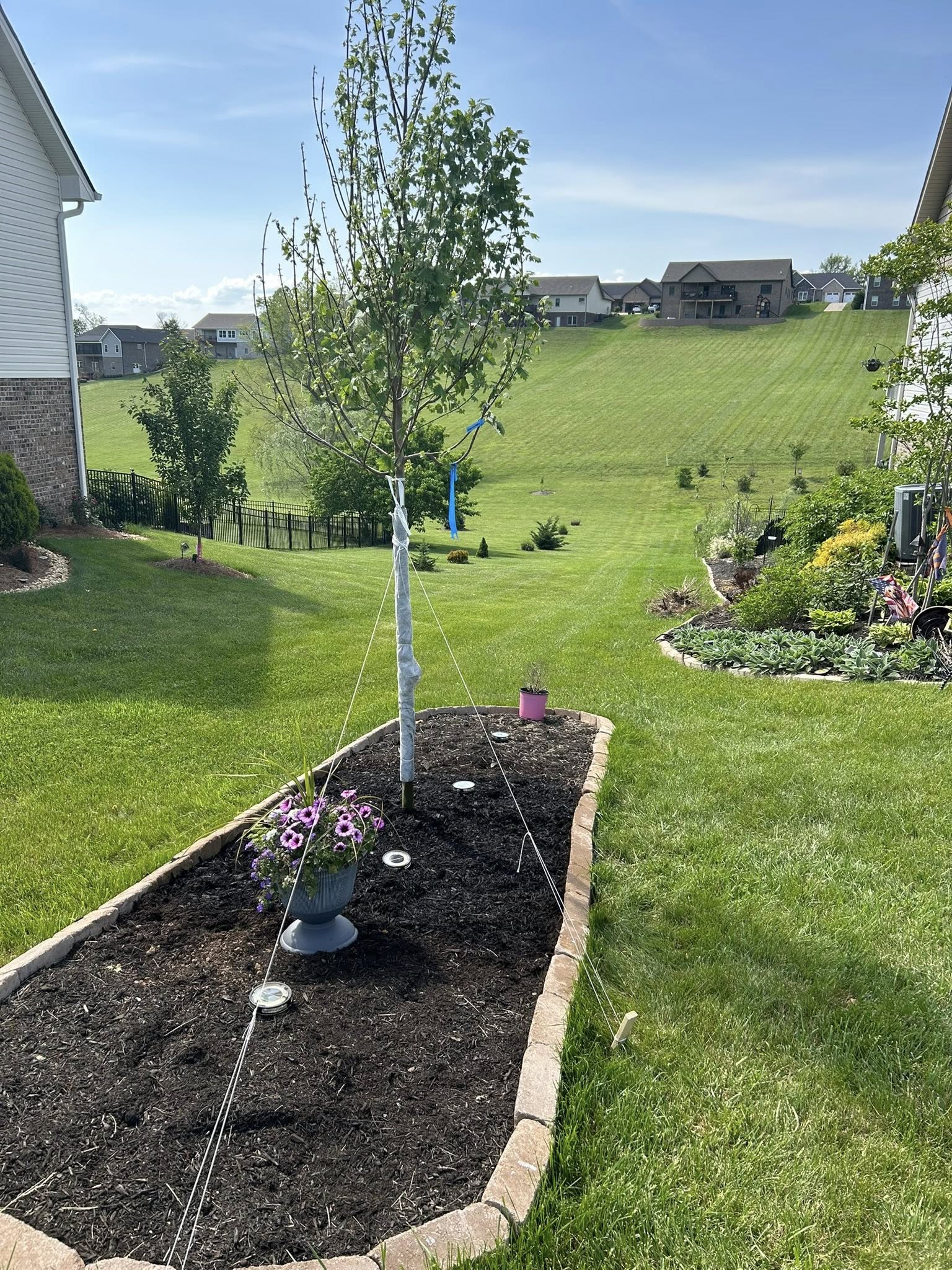
Summer requires vigilant care to address both growth and potential threats to trees. Regular watering is essential, especially for younger trees. Aim for deep, infrequent watering to encourage deep root growth. Mulching around the tree base can help retain moisture and regulate soil temperature. Watch for signs of pests such as caterpillars and aphids. An integrated pest management approach, focusing on natural predators or safe treatments, is often the most effective way to protect your trees without harming the environment.
As fall approaches, it's time to prepare your trees for the colder months ahead. This includes another round of pruning to remove any weak branches that might not withstand harsh winter conditions. Autumn is also the right time to fertilize. A slow-release fertilizer helps replenish nutrients that the soil may be lacking after the intensive growing season. Clean up fallen leaves and branches to prevent fungal diseases that thrive in decaying organic matter.
Winter tree care requires a more hands-off approach, yet there's still work to be done. Protecting younger trees from freezing temperatures is crucial. Wrapping the trunks of young or sensitive trees with burlap can prevent sunscald and frost cracks. Ensure that branches are free of heavy snow accumulation which can cause them to break. Avoid the application of de-icing salts near trees, as these can damage roots and soil quality.
Seasonal tree care is more than just an aesthetic choice for homeowners; it is an investment in safety and longevity. Healthy trees are less likely to experience limb breakage or disease, both of which can be costly and dangerous. Indigenous trees often require less maintenance and can be more resilient to local climate shifts, making them an excellent choice for sustainable landscaping.
By following these practices or partnering with a trusted service like Gatrell Landscape & Tree Removal, you can ensure your trees receive the specialized care they need at the right times of the year. Remember, each tree species might have specific requirements, so consulting with professionals can be invaluable. Proactive and informed tree care will help guarantee that your landscape remains a source of pride and enjoyment all year round.
/filters:no_upscale()/filters:format(webp)/media/57923709-236f-402a-9fa8-8eb16a7f7890.jpg)
/filters:no_upscale()/filters:format(webp)/media/21e68162-c83a-4024-be81-ebe6280737da.jpeg)